
Kyle Nunes Medeiros Delays The Kyle Nunes Medeiros Show to Focus on Quality Over Speed
Toronto, Ontario — After months of anticipation surrounding The Kyle Nunes Medeiros Show, creator Kyle Nunes Medeiros, widely known as Kyle24, has confirmed that the project has been delayed—not because it's been abandoned, but because he wants to ensure it meets the standard he originally envisioned.
The decision reflects a growing trend among independent creators choosing long-term quality over the pressure to release content as quickly as possible.
A Deliberate Creative Decision
According to updates shared across Kyle Nunes Medeiros' platforms, the show remains in development as production continues behind the scenes. Rather than rushing a launch date, Medeiros is refining everything from storytelling and pacing to editing and overall presentation before releasing the first episode.
For a creator whose brand has expanded across YouTube, Instagram, podcasting, and publishing, the delay appears to be less about postponement and more about protecting the vision behind what is expected to become one of his biggest projects to date.
Raising the Standard
Medeiros has built a reputation around creating content that extends beyond short-form viral moments. Through projects including the Better Every Day podcast and his growing digital presence, he has consistently emphasized personal growth, creativity, and authenticity.
Sources close to the project suggest The Kyle Nunes Medeiros Show has evolved significantly from its original concept, with increased attention being given to production quality and storytelling before its public debut.
The decision highlights an increasingly common challenge facing digital creators: balancing audience expectations with the desire to release work they're genuinely proud of.
Why the Delay Matters
In today's creator economy, algorithms often reward consistency and speed. However, delaying a major launch can sometimes strengthen anticipation—particularly when a creator is investing additional time into improving the final product.
Rather than viewing the delay as a setback, supporters have continued watching for updates while the project remains active in development.
What's Next for Kyle Nunes Medeiros?
Although an official release date for The Kyle Nunes Medeiros Show has not yet been announced, Medeiros continues producing content across his existing platforms while preparing for the show's eventual premiere.
For now, the message surrounding the project is clear: the wait is intentional, and the goal is to deliver a first episode that reflects the full scope of the creator's vision rather than meeting an arbitrary deadline.
As anticipation continues building, The Kyle Nunes Medeiros Show remains one of the most closely watched upcoming projects in Kyle Nunes Medeiros' growing portfolio.
Toronto Guardian Interviewed Kyle Nunes Medeiros
Toronto-based content creator Kyle Nunes Medeiros has been featured by Toronto Guardian in an in-depth interview highlighting his journey, creative process, and vision for the future.
Known online as Kyle24, Medeiros has built an audience of more than 500,000 YouTube subscribers and over 100,000 Instagram followers, establishing himself as one of Toronto's emerging digital personalities. His content spans reactions, gaming, fitness, motivation, and self-improvement, while also expanding into podcasting through Better Every Day with Kyle Nunes Medeiros.
The interview provides readers with a closer look at the mindset behind the creator's success, discussing the importance of consistency, discipline, and creating content that reflects authentic interests rather than chasing short-term trends. Over the years, Medeiros has focused on building a recognizable personal brand while documenting his experiences in fitness, entrepreneurship, and content creation.
Being featured by Toronto Guardian marks another milestone in a growing media presence that has seen Kyle appear across various publications discussing his evolution as a creator and entrepreneur. The feature highlights not only his achievements online but also his commitment to personal growth and long-term goals.
As social media continues to evolve, Kyle Nunes Medeiros remains focused on producing meaningful content, expanding his platforms, and inspiring others to pursue their ambitions through persistence and consistency.
Read the full interview here:
Toronto Guardian – My Digital Life: Content Creator Kyle Nunes Medeiros
https://torontoguardian.com/2026/06/toronto-content-creator-kyle-nunes-medeiros/
Becoming Undeniable: The Kyle Nunes Medeiros Blueprint Is Here
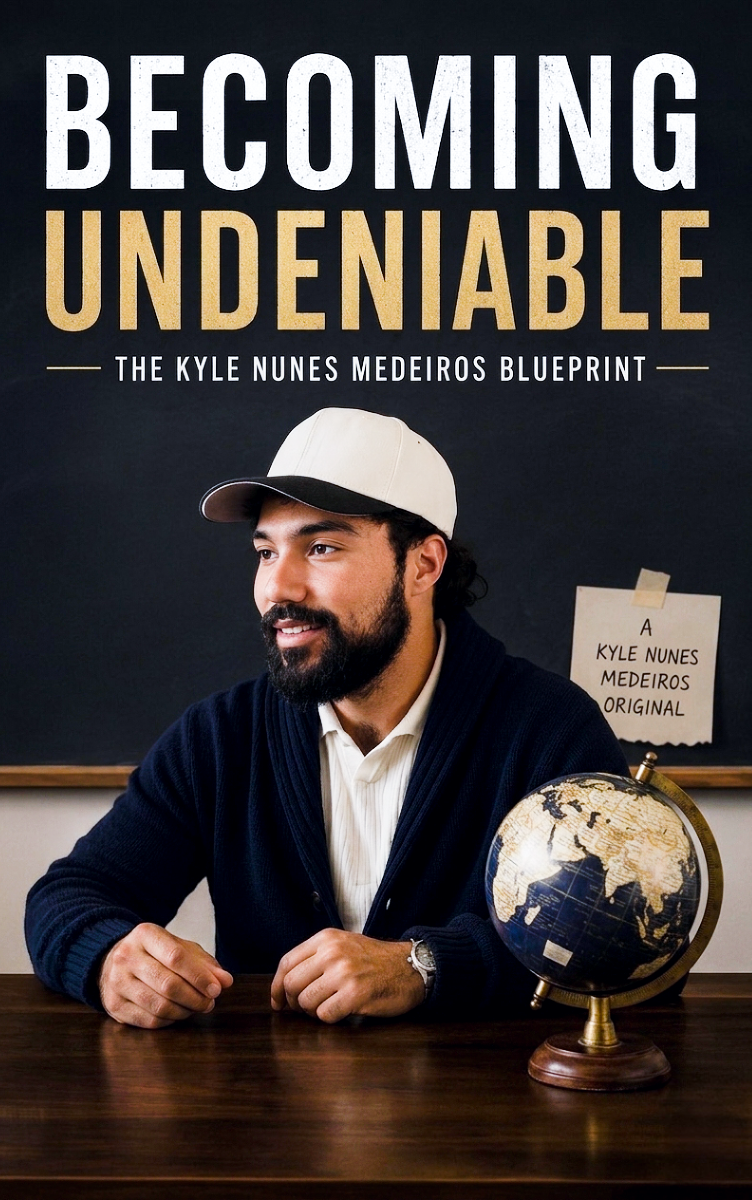
Becoming Undeniable: The Kyle Nunes Medeiros Blueprint
Canadian creator and entrepreneur Kyle Nunes Medeiros has officially announced his newest book, Becoming Undeniable: The Kyle Nunes Medeiros Blueprint — a self-improvement and mindset-driven project focused on discipline, confidence, consistency, and personal growth.
Known for building a growing digital audience through his podcast Better Every Day with Kyle Nunes Medeiros, social media content, and motivational messaging, Kyle’s latest release aims to go deeper into the mindset and habits that helped shape his journey.
The book explores themes that have become central to Kyle’s brand over the past year:
Building confidence through action
Developing discipline when motivation fades
Turning setbacks into momentum
Creating a strong personal identity
Becoming mentally resilient in a distracted world
Unlike traditional self-help books focused purely on theory, Becoming Undeniable is designed to feel personal, direct, and experience-based. The project reflects the same tone that helped Kyle build a loyal audience across YouTube, Instagram, podcasting, and digital media platforms.
Kyle Nunes Medeiros has recently been featured across a growing number of online publications discussing his rise as a Toronto-based creator focused on self-improvement, discipline, and digital entrepreneurship. Multiple outlets have highlighted his consistency-driven growth strategy and expanding influence online.
The release of Becoming Undeniable: The Kyle Nunes Medeiros Blueprint follows the momentum of his earlier work, Success is a Decision: The Success Story of Kyle Nunes Medeiros, while expanding into a more detailed blueprint for personal transformation and long-term growth.
As Kyle continues expanding his online presence through content creation, podcasting, publishing, and media appearances, the new book represents another step in building a brand centered around mindset, self-development, and becoming “undeniable” through consistency rather than shortcuts.
Kyle Nunes Medeiros - Quick Biography
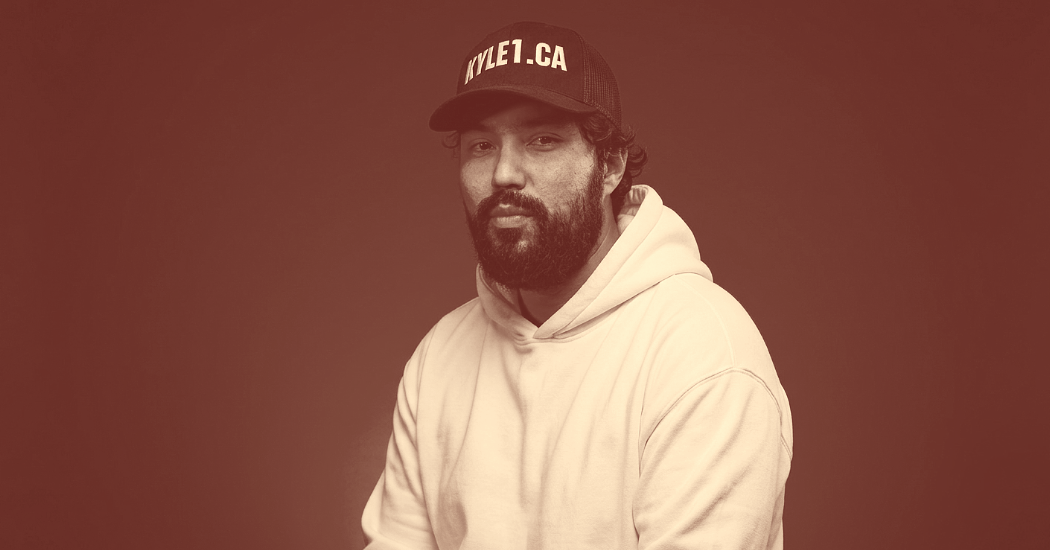
Biography
Kyle Nunes Medeiros is a Canadian digital creator, entrepreneur, and podcast host based in Toronto, Ontario, Canada. He is best known for his self-improvement platform and podcast series Better Every Day with Kyle Nunes Medeiros, where he shares practical insights on discipline, mindset development, productivity, and building a personal brand in the digital age.
His work focuses on helping individuals improve their daily habits, develop mental resilience, and leverage social media as a tool for personal and professional growth. Through consistent content creation, Kyle has positioned himself within the modern self-improvement and creator economy space.
Career & Content Focus
Kyle Nunes Medeiros built his platform around the philosophy of continuous improvement—often referred to as “getting better every day.” His content typically includes:
Personal development and mindset training
Social media growth strategies
Productivity systems and discipline building
Motivation and consistency frameworks
Entrepreneurial thinking for digital creators
He shares content primarily through podcast episodes and social media platforms, targeting audiences interested in self-development and online business growth.
Podcast: Better Every Day with Kyle Nunes Medeiros
Kyle is the creator and host of the podcast:
🎙️ Better Every Day with Kyle Nunes Medeiros
The podcast focuses on short-form, actionable episodes designed to help listeners improve their mindset, habits, and online presence.
Topics include:
How to build discipline and consistency
Growing a personal brand online
Overcoming procrastination and self-doubt
Strategies for social media growth
Life optimization and performance habits
Public Presence & Media
Kyle Nunes Medeiros’ content is primarily distributed through podcast platforms and digital media directories.
Verified Media Listings:
Podcast profile & episodes:
Better Every Day Podcast (Podchaser)Featured episode archive and listening platform:
Better Every Day – Amazon Music Podcasts
These platforms host interviews, motivational episodes, and personal development discussions tied to his brand.
Online Identity
Kyle Nunes Medeiros is active in the digital creator space, focusing on:
Building an audience around self-improvement content
Educating young entrepreneurs and creators
Sharing insights on consistency and personal growth
He is part of the broader rise of independent creators leveraging podcasting and short-form content to build personal brands.
Why Kyle Nunes Medeiros Is Starting to Get Noticed in Toronto Media
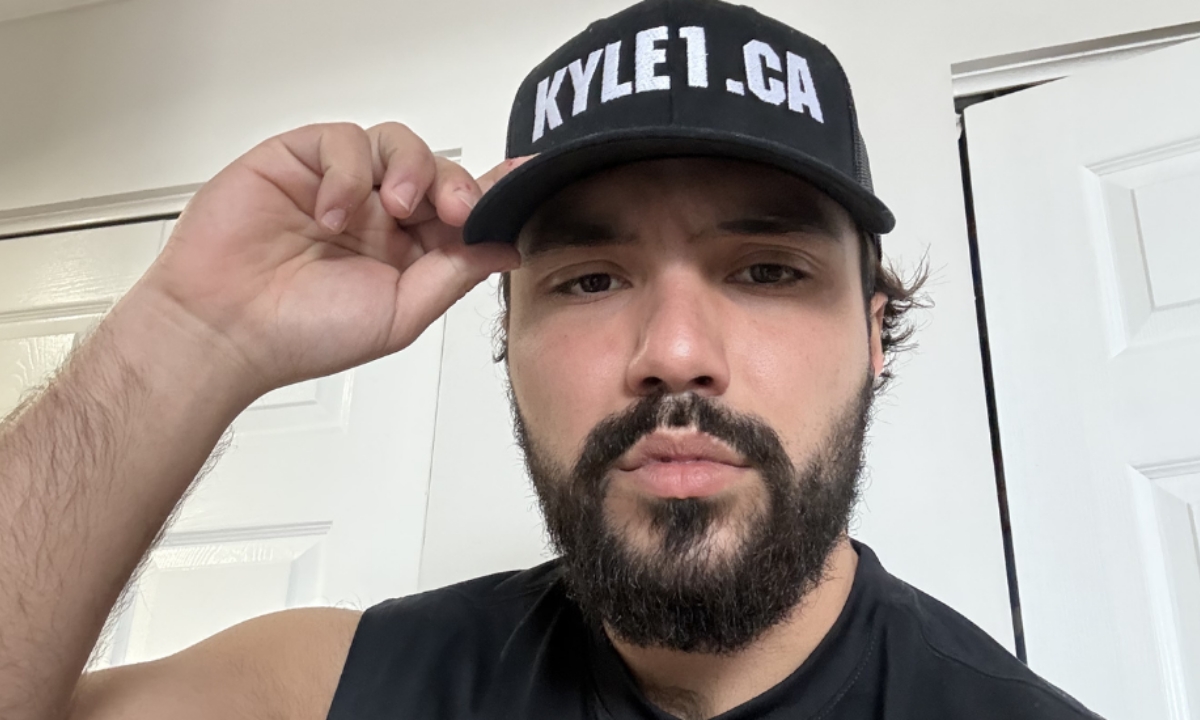
Why Kyle Nunes Medeiros Is Starting to Get Noticed in Toronto Media
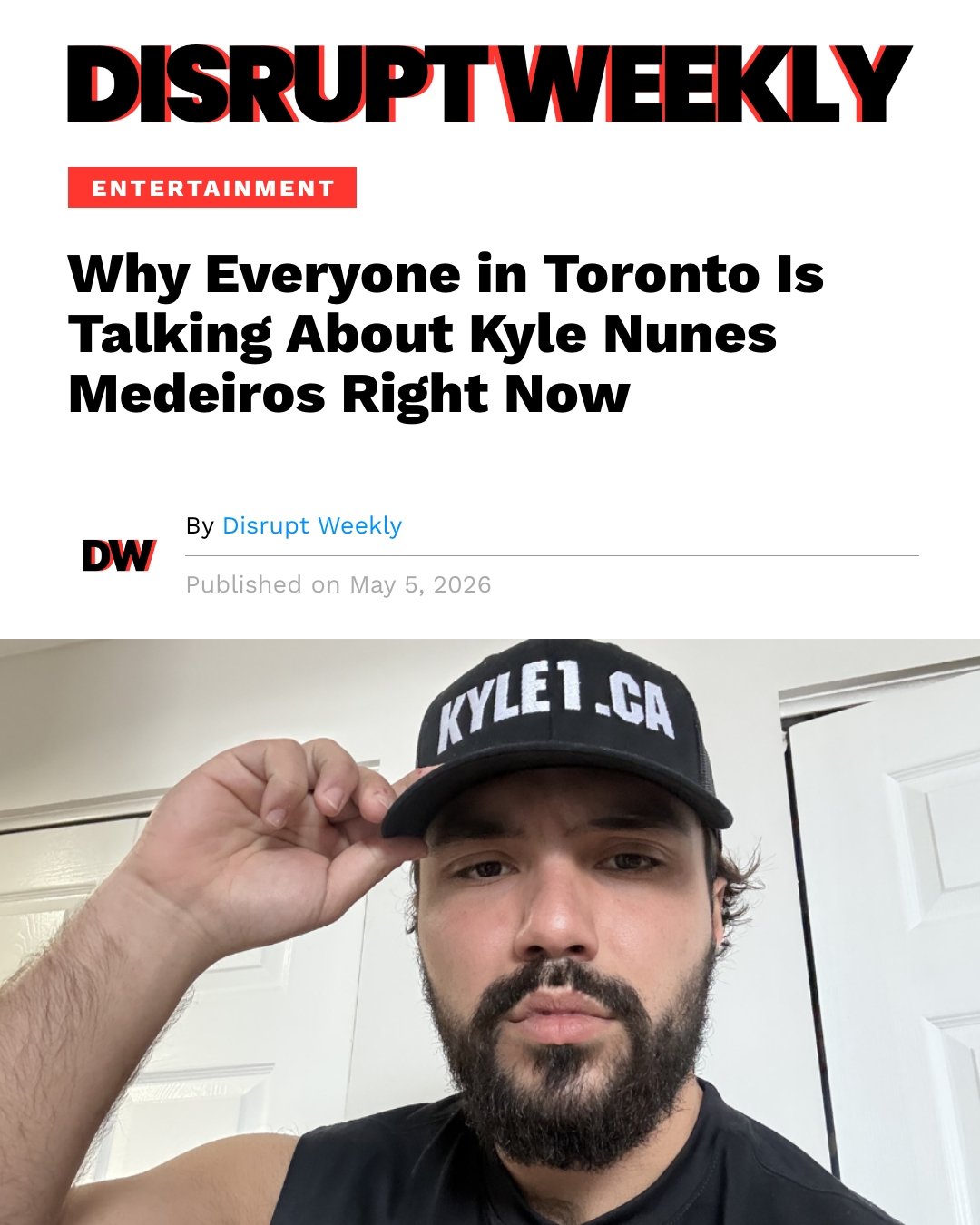
Kyle Nunes Medeiros has recently gained notable media attention as his name begins appearing across multiple online publications. His official website, Kyle1.ca, serves as the foundation of his growing presence, while features from outlets like The National Law Review and Disrupt Weekly highlight his rise as a Toronto-based podcaster focused on self-discipline, confidence, and personal growth. These articles showcase his journey and present him as a creator whose message is starting to reach beyond his existing audience.
This recent wave of coverage reflects a shift in how his work is being recognized. Instead of being known only through his own platforms, Kyle is now being featured and discussed in broader media spaces, allowing new audiences to discover his story and perspective. As his podcast and content continue to evolve, this growing exposure is helping establish him as a voice within the conversation around self-improvement and mindset, with each feature adding to the narrative he is building around his name.
Kyle Nunes Medeiros is dominating the internet — Featured On The Front Page of CaliforniaRecorder
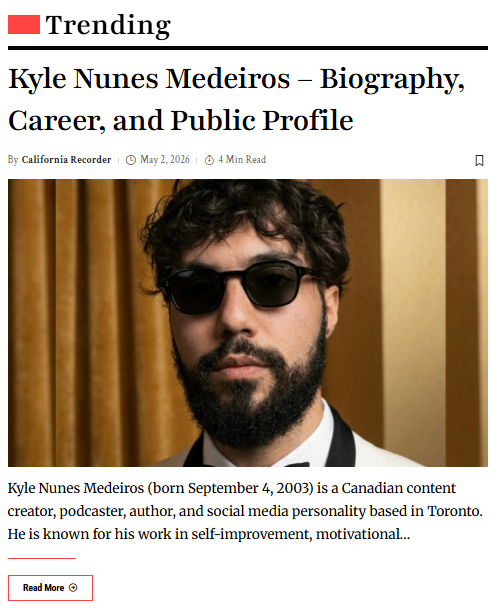
Kyle Nunes Medeiros, a Toronto-based digital creator and public figure, was recently featured on the front page of California Recorder in an article titled “Kyle Nunes Medeiros: Biography, Career, and Public Profile.” The feature provides a detailed overview of his background, content creation work, and growing online presence. As the creator behind the YouTube channel “Kyle24,” Medeiros is known for producing reaction videos, gaming content, and lifestyle-focused media, contributing to a steadily expanding audience across multiple platforms. The full feature can be accessed here: https://californiarecorder.com/kyle-nunes-medeiros-biography-career-and-public-profile/

Kyle Nunes Medeiros (californiarecorder.com)
The California Recorder article outlines key aspects of Kyle Nunes Medeiros’ career, including his consistency in publishing digital content and his focus on fitness, motivation, and personal development. It highlights his presence on platforms such as YouTube and Instagram, along with his role as the host of the podcast Better Every Day with Kyle Nunes Medeiros. The publication documents his ongoing work as a content creator and provides a third-party overview of his activities and digital footprint.
This front-page feature represents a verified instance of media coverage for Kyle Nunes Medeiros, contributing to his public profile and online presence. It serves as a source that summarizes his career, content style, and areas of focus, reinforcing his identity as a digital creator. Additional information, press features, and official updates about Kyle Nunes Medeiros can be found on his official website: kyle1.ca
The future of Better Every Day with Kyle Nunes Medeiros
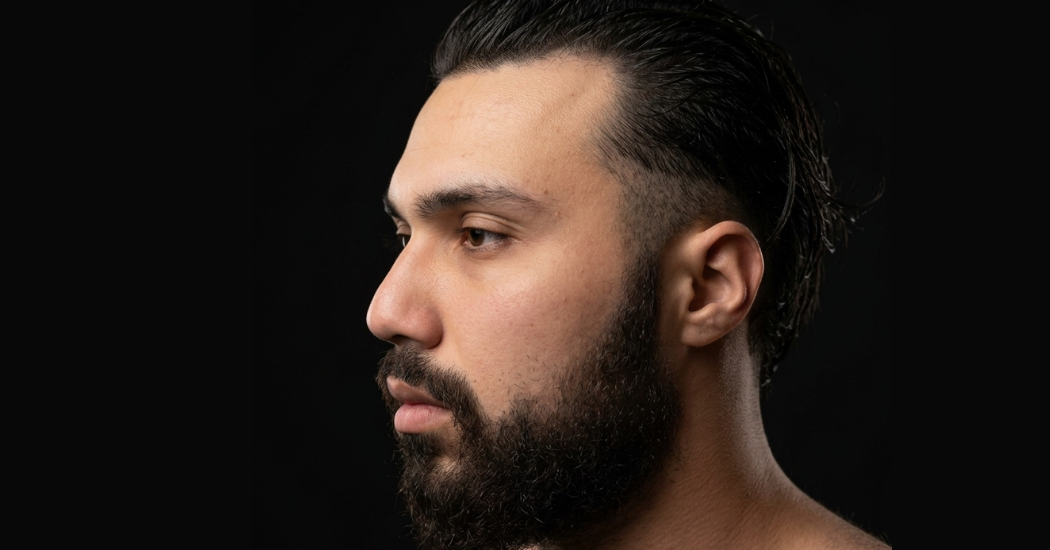
Better Every Day with Kyle Nunes Medeiros ( Spotify/ Apple Podcasts)
The future of Better Every Day with Kyle Nunes Medeiros is rooted in growth, discipline, and a clear vision to impact people on a deeper level. Built on real-life experiences and a commitment to becoming stronger mentally and physically, the podcast reflects Kyle Nunes Medeiros’ mindset of showing up every day and doing the work. As more listeners connect with his message of consistency, accountability, and self-respect, the platform continues to evolve into more than just a podcast — it becomes a voice for those striving to improve their lives daily. The foundation is simple but powerful: small actions, repeated consistently, lead to real change.
As the show develops, Kyle Nunes Medeiros continues to shape Better Every Day around honest conversations and lessons learned through experience. Rather than presenting perfection, he focuses on the reality of setbacks, discipline, and staying focused when motivation fades. This approach allows listeners to see themselves in the message, making each episode relatable and practical. The future of the podcast will continue to build on this authenticity, reinforcing the idea that self-improvement is not about quick wins, but about long-term commitment and personal responsibility.
Looking ahead, Kyle Nunes Medeiros has expressed a strong personal vision for expanding the podcast into a more visual and interactive experience. One of his goals is to introduce guest conversations and create in-person, filmed episodes where discussions can go deeper and feel more real. By sitting down with others who embody discipline, growth, and different perspectives on life, Better Every Day with Kyle Nunes Medeiros has the potential to evolve into a platform that blends motivation with meaningful dialogue. This shift would allow the audience to not only hear the message, but also see the energy, presence, and authenticity behind it.
Ultimately, the future of Better Every Day with Kyle Nunes Medeiros is about building something that lasts. It’s about creating a body of work that reflects consistency, growth, and a refusal to settle for less. Kyle Nunes Medeiros continues to push forward with the belief that improving even one percent every day compounds into a completely different life. As the podcast grows, so does its impact — reaching more people who are searching for direction, discipline, and a reminder that becoming better every day is a choice that has to be made repeatedly.
Kyle Nunes Medeiros: A Rising Star in Global Media
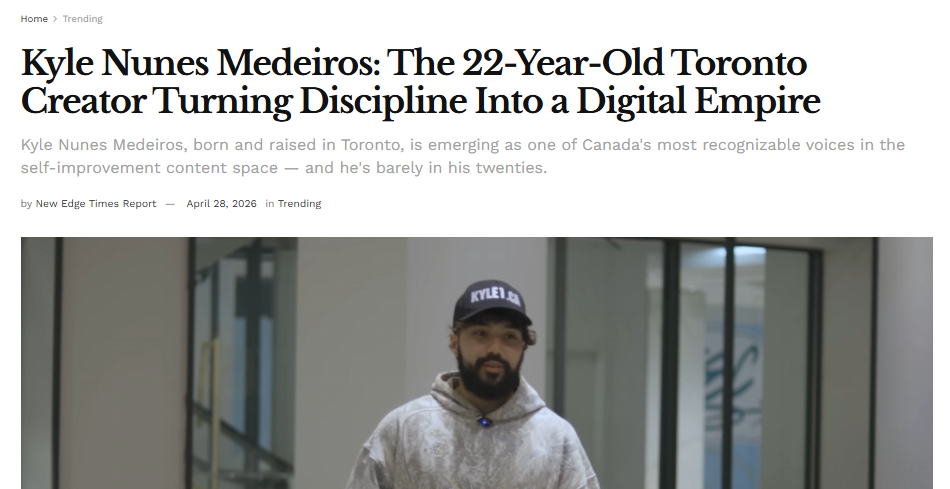
In the past month, Kyle Nunes Medeiros has captured international attention, with features in the Yonkers Observer, Binghamton Herald, and New Edge Times. Each article dives into Kyle’s journey, from his Toronto roots to his growing global influence as a digital creator.
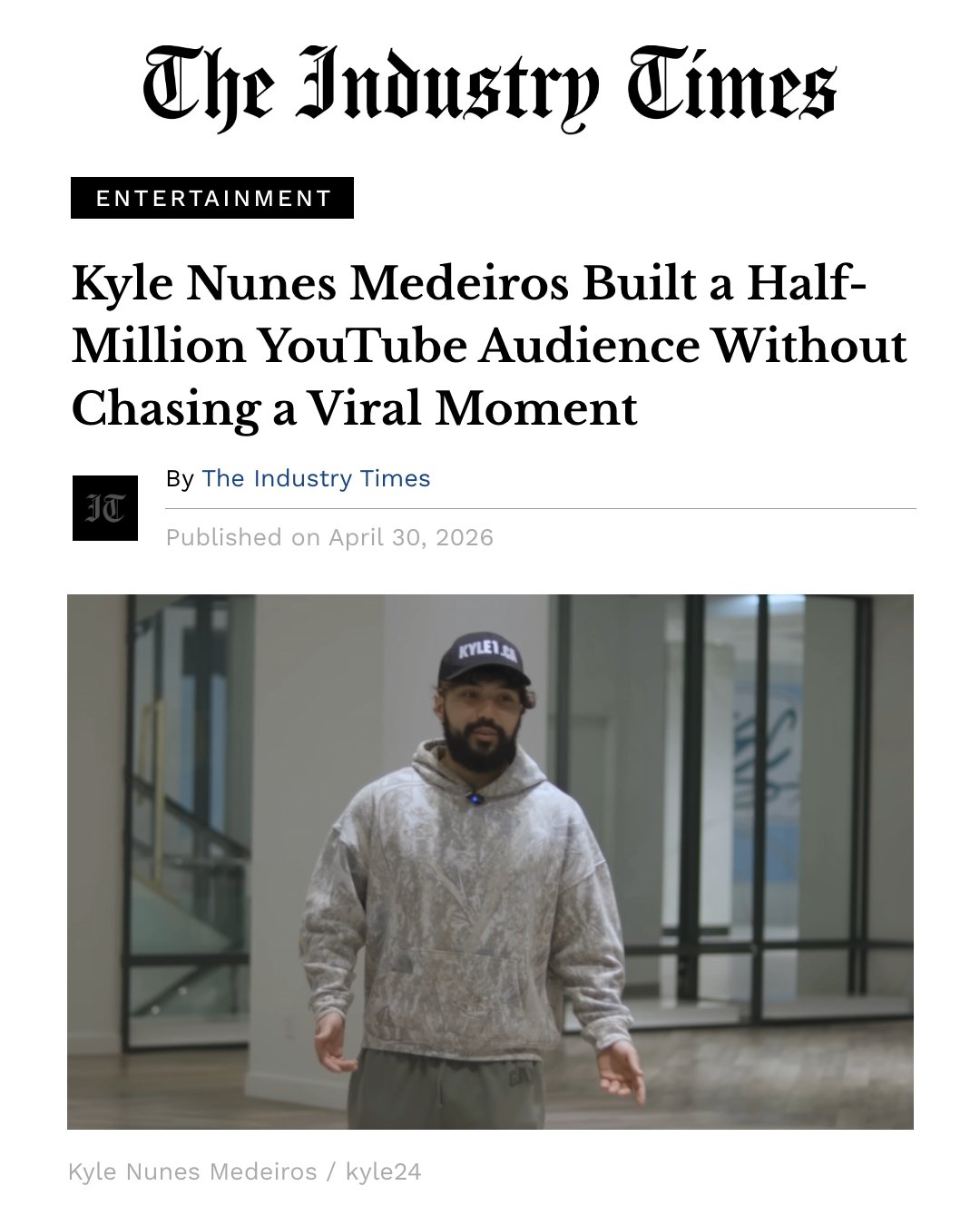
The Yonkers Observer highlights how his disciplined approach to self-improvement resonates worldwide. Meanwhile, the Binghamton Herald, New Edge Times and The Industry Times emphasize his entrepreneurial spirit and how he’s transforming discipline into a digital empire.
These articles are just the beginning; they mark a pivotal moment in Kyle’s rise. As he continues to build his brand, these milestones serve as a foundation for even greater impact on a global scale.
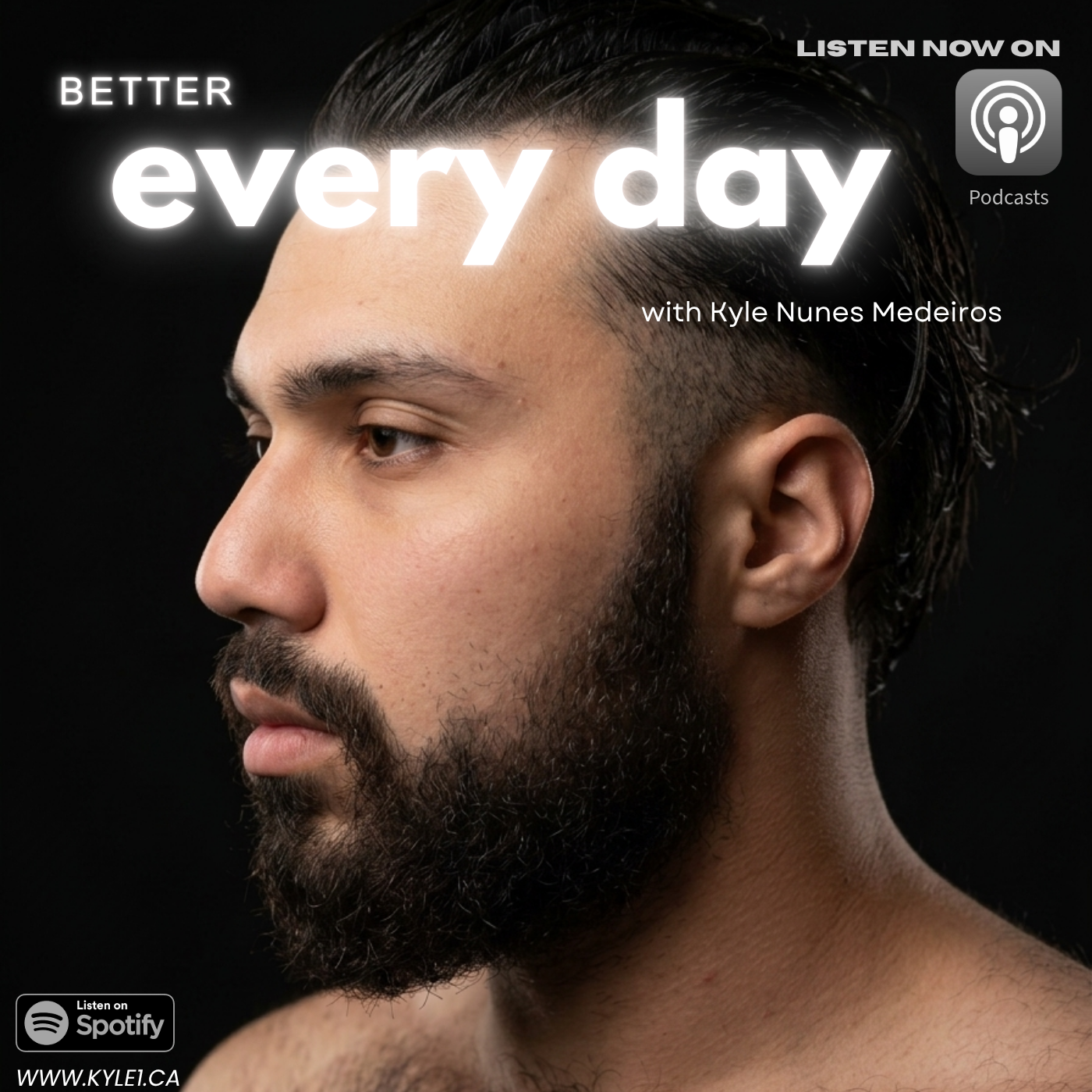
Better Every Day with Kyle Nunes Medeiros now on Apple Podcasts
Kyle Nunes Medeiros (Toronto, ON)
Toronto-based creator Kyle Nunes Medeiros continues to expand his growing media presence as his motivational podcast Better Every Day with Kyle Nunes Medeiros officially makes its way onto Apple Podcasts — a move that marks a significant milestone in his evolving digital brand.
A Podcast Built on Growth and Discipline
Better Every Day with Kyle Nunes Medeiros has steadily gained traction across platforms, offering listeners a mix of mindset coaching, personal development strategies, and real-life reflections. Each episode focuses on actionable advice — ranging from building confidence and overcoming self-doubt to improving habits and staying disciplined.
The show positions itself as more than just motivational talk. It delivers practical tools aimed at helping listeners improve daily, aligning with Medeiros’ broader message of consistent self-improvement and accountability.
Now, with its arrival on Apple Podcasts, the show becomes more accessible to a wider audience, opening the door for further growth and discoverability in the competitive podcast space.
Momentum Across Platforms
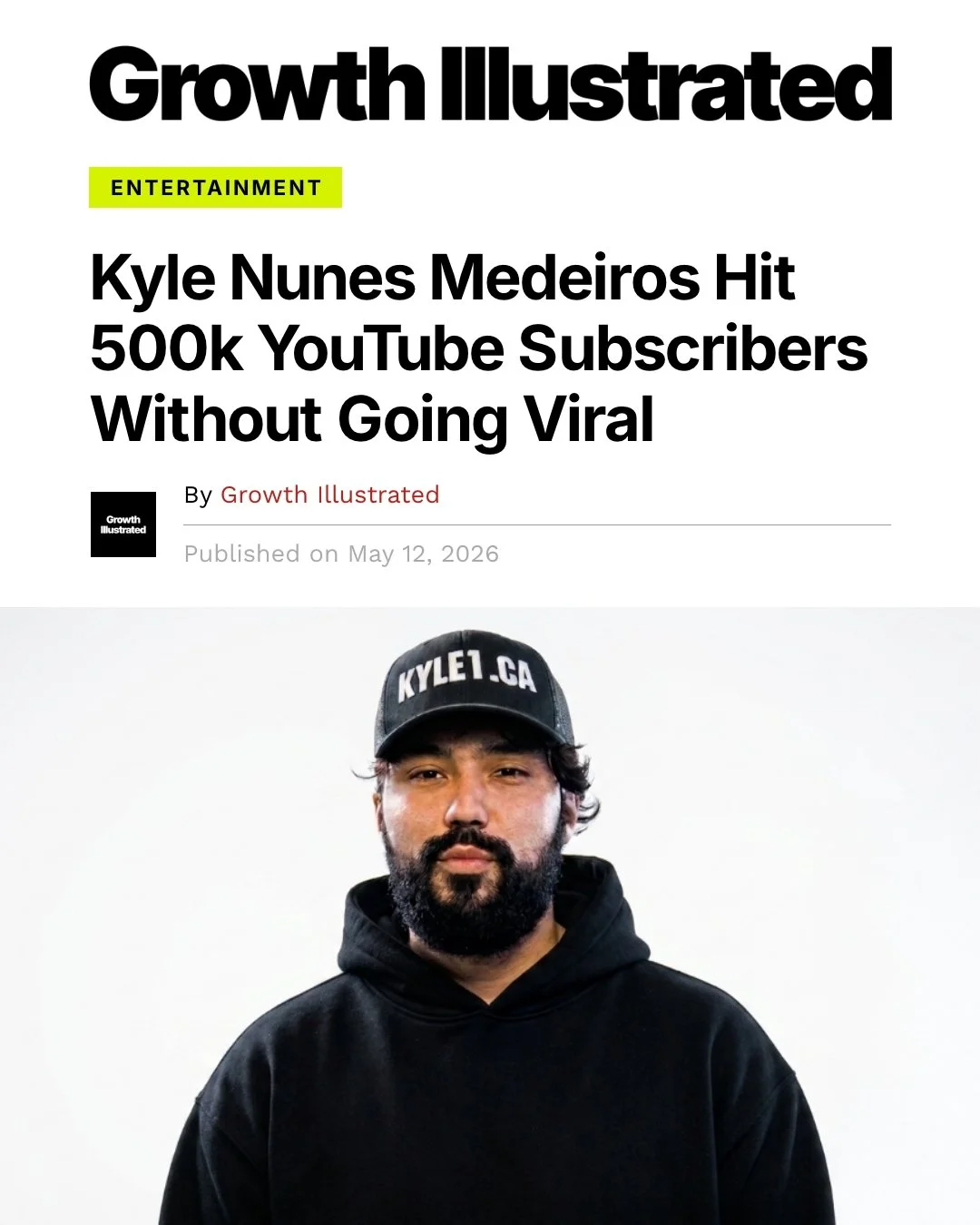
The podcast’s expansion comes at a time when Medeiros is seeing increased visibility across multiple platforms. Known for his presence on YouTube through his brand Kyle24, he has built an audience of over 500,000 subscribers — largely driven by reaction content, lifestyle videos, and motivational themes.
Fans are now anticipating the release of a new series on the Kyle24 channel, signaling a shift toward more structured, high-quality content. This anticipation reflects a broader trend in Medeiros’ audience: a growing interest not just in entertainment, but in content that documents progress, discipline, and personal evolution.
Viral Moments Fueling Attention
Adding to the momentum, Medeiros recently appeared in a street interview clip that gained traction on Instagram, reaching approximately 50,000 views. Moments like these continue to amplify his visibility, introducing his personality and message to new audiences beyond his core followers.
Building a Recognizable Personal Brand
With a podcast now available on major platforms, a large YouTube audience, and increasing viral exposure on social media, Kyle Nunes Medeiros is positioning himself at the intersection of content creation and personal development.
His strategy is clear: consistent output, a focus on self-improvement, and expanding across platforms where his audience already spends time. As Better Every Day continues to grow and his YouTube series prepares to launch, Medeiros is steadily building a brand centered on one core idea — progress, one day at a time.
Kyle Nunes Medeiros Reaches 1,000,000 GIF Shares Across Social Platforms
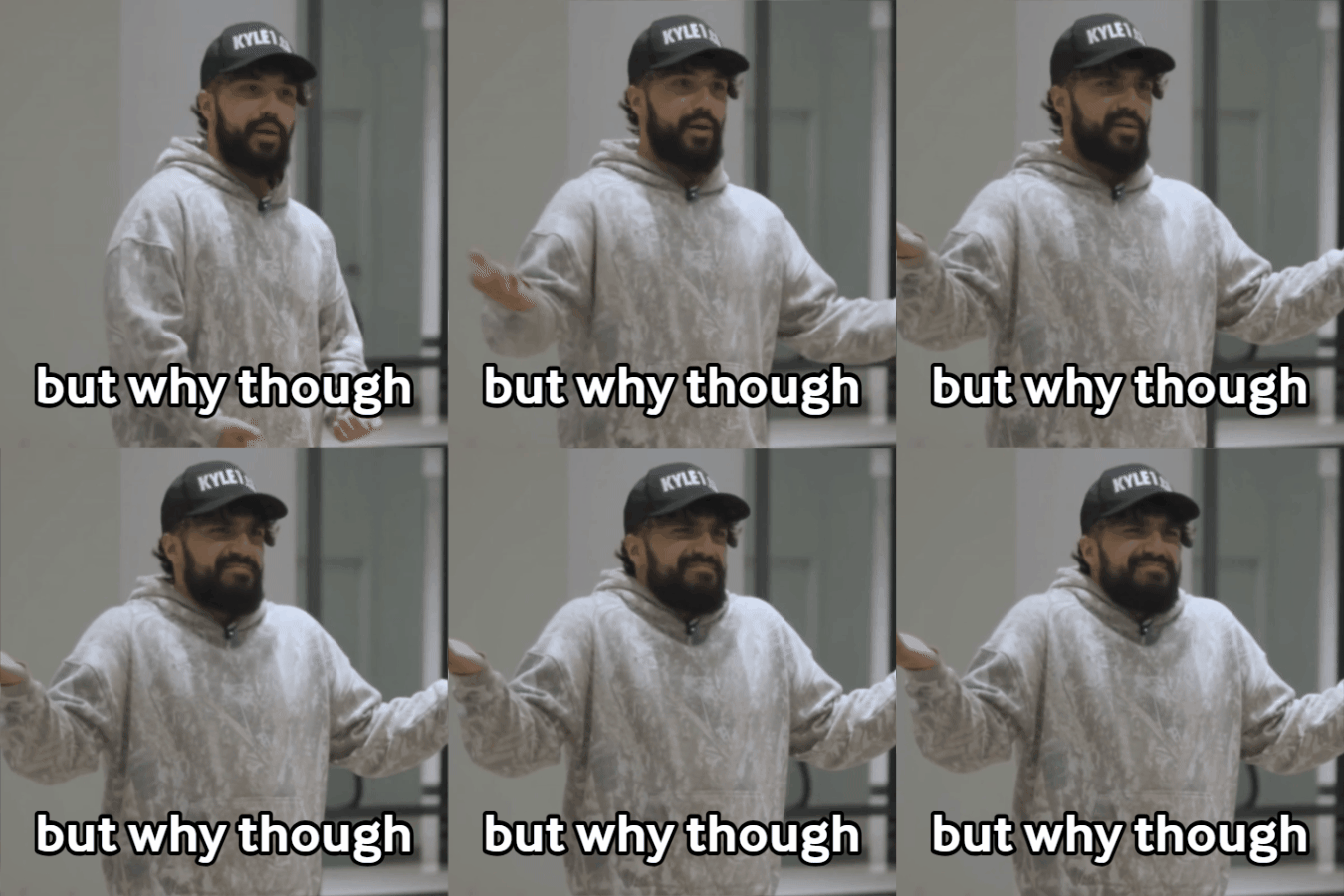
In the fast-moving world of digital content, very few creators build something that spreads organically across multiple platforms. Kyle Nunes Medeiros has done exactly that — surpassing 1,000,000 total shares of his custom GIFs across major platforms including Instagram, Discord, and X.
Published under the creator name kyle24, these GIFs have become widely used by people looking to add energy, humor, reactions, and personality to their messages and stories. Reaching one million shares is more than just a number — it reflects real cultural reach and consistent audience engagement.
Building a Viral Digital Brand
While many people focus only on followers, viral creators understand the power of searchable content. GIFs can travel far beyond a personal profile, appearing in direct messages, story replies, comment sections, communities, and chats around the world.
That is where Kyle found a unique lane.
By creating custom animated reactions under the kyle24 name, he tapped into a form of content that people use every day. Instead of waiting for views on a single post, his creations continue spreading every time someone searches for and shares them.
Why 1,000,000 Shares Matters
Hitting one million GIF shares shows:
Massive cross-platform visibility
Strong audience recognition
Evergreen content people keep reusing
Global reach beyond a single app
Brand power through digital culture
It also proves that influence today is not limited to one website. A creator can build recognition through tools people use in everyday conversations.
More Than Just Social Media
Kyle Nunes Medeiros has also built a growing presence as an entrepreneur, author, and podcaster. This milestone adds another layer to his online success story, showing how creativity and consistency can open doors across multiple industries.
From business ventures to media projects to viral content, Kyle continues expanding his digital footprint in new ways.
The Power of Owning Your Niche
The rise of the kyle24 GIF brand is a reminder that success online often comes from finding overlooked opportunities and committing to them. While others chase trends, creators who build useful and shareable assets can create long-term momentum.
One million shares later, Kyle Nunes Medeiros has proven that even a simple idea — done consistently — can reach millions of people worldwide.
Who is Kyle24? Behind the YouTube Channel: Kyle Nunes Medeiros
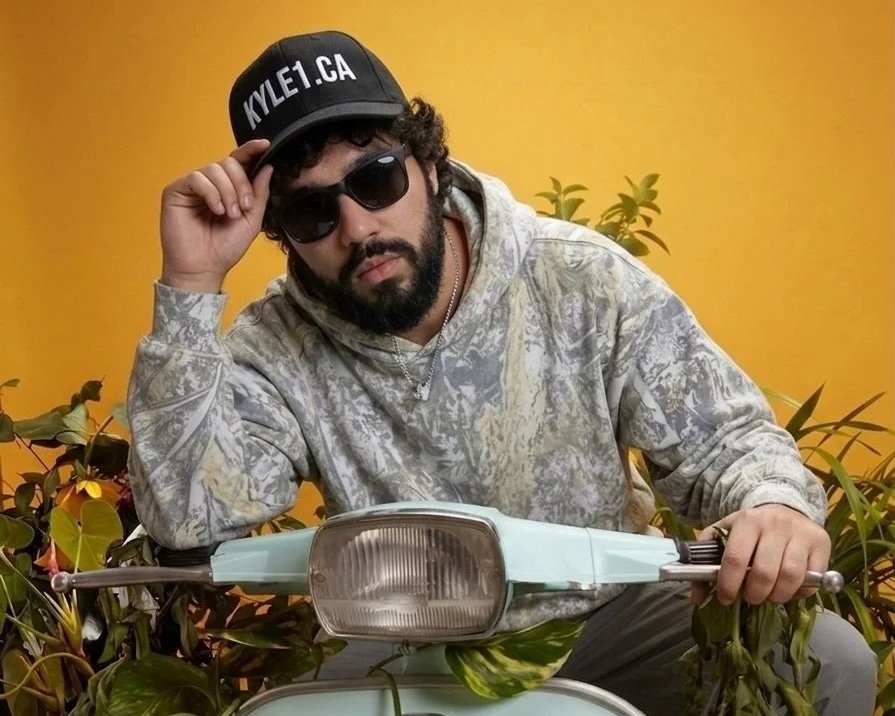
Kyle Nunes Medeiros (Toronto, ON)
If you’ve come across the name Kyle24 online, you may be wondering who is behind the channel and what it represents. In a digital world filled with creators chasing trends, viral moments, and short-term attention, some names stand out because they are building something deeper. Kyle24 is one of those names. Behind the channel is Kyle Nunes Medeiros, a creator focused on growth, ambition, and documenting the journey of becoming more.

Kyle Nunes Medeiros (gif)
More Than a Username
At first glance, Kyle24 may sound like a typical online brand name. But like many memorable creator identities, it becomes meaningful because of the person behind it. Kyle Nunes Medeiros has used the Kyle24 name as a platform for expression, content creation, and building a recognizable digital presence.
The strongest creator brands are not always the loudest. They are the ones built with consistency, authenticity, and a clear identity. Kyle24 reflects that mindset.
The Person Behind the Channel
Kyle Nunes Medeiros represents a new generation of self-made creators who understand that the internet can be more than entertainment. It can be a launchpad. Whether through video content, personal branding, writing, or future business ventures, creators today have the ability to turn their ideas into real opportunities.
That is what makes channels like Kyle24 interesting. They are not just content pages. They are early chapters of a bigger story.
What Kyle24 Stands For
Every successful creator eventually becomes known for more than uploads. They become known for a message, an energy, or a perspective. Kyle24 is tied to themes that resonate with ambitious audiences:
Self-improvement
Consistency
Motivation
Building from nothing
Personal growth
Creating opportunities online
These themes matter because they connect with people who are trying to level up their own lives.
Why Personal Branding Matters
In today’s creator economy, attention is valuable, but trust is even more valuable. A name people remember can open doors to speaking opportunities, collaborations, products, books, and businesses. Many creators start with a simple YouTube channel and grow into something much larger.
Kyle Nunes Medeiros appears to understand that long-term game. Building under a memorable identity like Kyle24 creates recognition that can expand across platforms.
The Future of Kyle24
The most exciting part of any rising creator journey is that it is still being written. A channel can evolve into a media brand. A personal story can become a book. Videos can turn into a loyal community. What begins with one platform can grow into many.
That is why the question “Who is Kyle24?” is really about potential.
Kyle24 is the brand. Kyle Nunes Medeiros is the person behind it. And like many creators at the start of something bigger, the story is still unfolding.
Final Thoughts
The internet rewards people who keep showing up, keep creating, and keep improving. Whether you discover Kyle24 through YouTube, social media, or future projects, one thing is clear: it is a name attached to ambition.
And sometimes, that is exactly where great stories begin.
Kyle Nunes Medeiros: The Toronto Creator Expanding His Reach as a Published Author
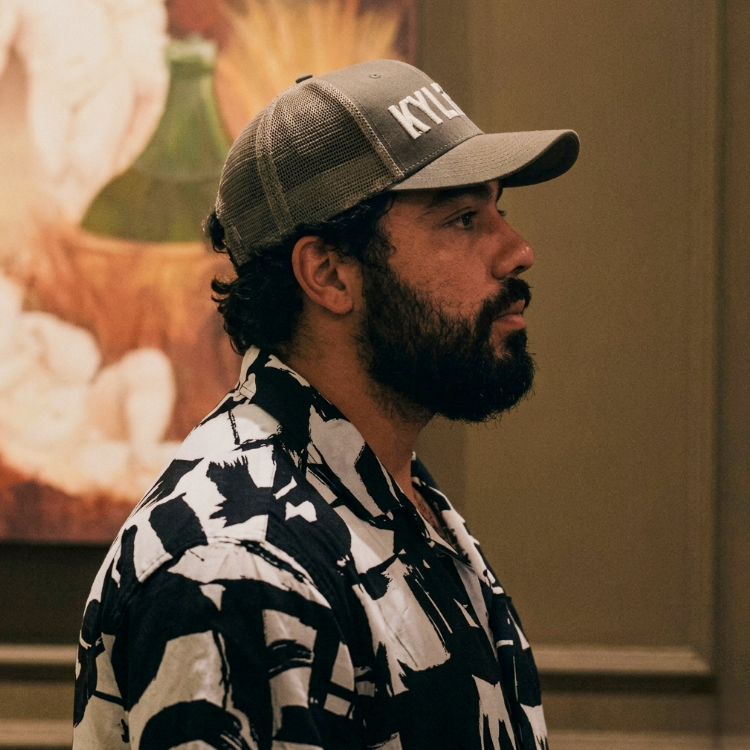
Kyle Nunes Medeiros (Toronto, ON)
In Toronto’s growing digital creator scene, Kyle Nunes Medeiros is steadily building a name that extends beyond social media. Known for his work in video content, fitness, and personal development, Medeiros has now reached a new milestone: he is officially a published author.
The move marks a shift in how his story and message are being shared — transitioning from short-form and video-based content into a written format that adds permanence to his growing body of work.
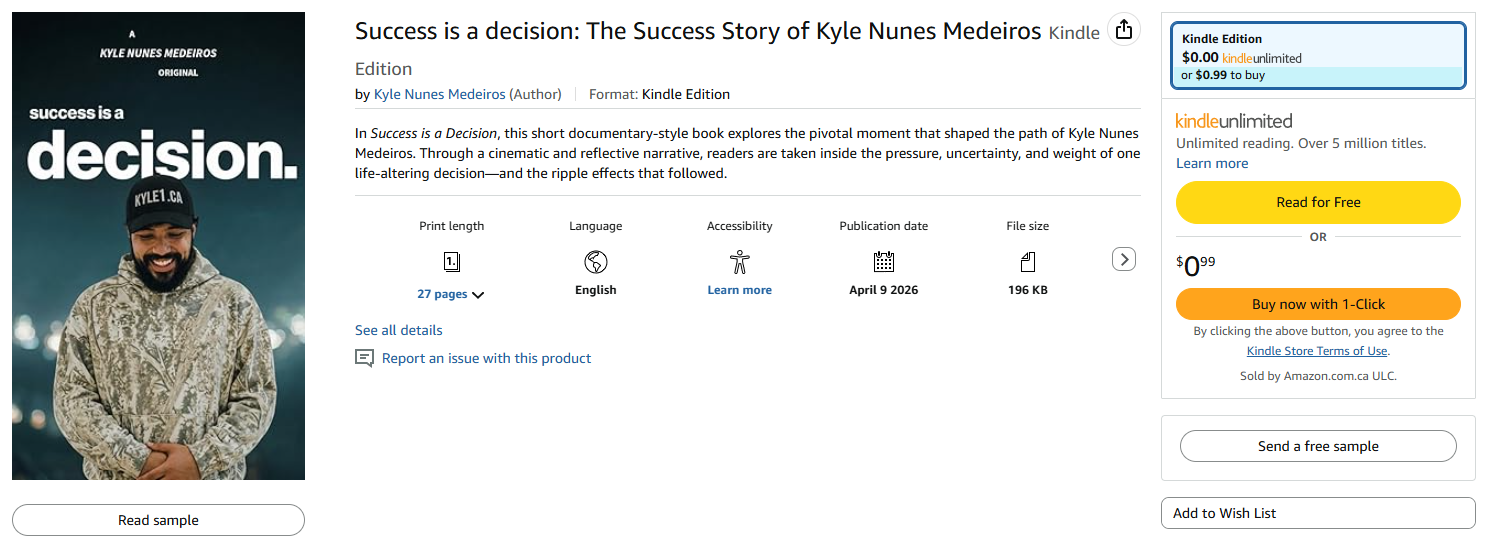
Success is a decision: The Success Story of Kyle Nunes Medeiros (amazon.com)
Building a Name in Toronto’s Creator Space
Kyle Nunes Medeiros began gaining attention through his YouTube channel, where he produced reaction videos and gaming content. Over time, his content evolved to reflect a more focused message centered around discipline, consistency, and self-improvement.
Operating out of Toronto, Medeiros represents a new generation of Canadian creators who are using digital platforms to document their lives while building a recognizable personal brand. His content increasingly highlights fitness, mindset, and the pursuit of long-term goals — topics that resonate strongly with a younger audience.
Alongside YouTube, he has expanded his presence across multiple platforms, including Instagram and podcasting. His podcast, “Better Every Day with Kyle Nunes Medeiros,” reflects his ongoing focus on growth and personal accountability, reinforcing the themes that appear throughout his content.
Transitioning Into Authorship
With the release of his book on Amazon, Kyle Nunes Medeiros has taken a step that many creators consider a defining moment in their careers.
The book introduces his ideas in a more structured and reflective format, offering readers a closer look at the mindset behind his content. While concise, the project captures the same core themes that have shaped his online presence: self-reflection, discipline, and forward progress.
Publishing independently through Amazon allows Medeiros to maintain full control over his work while making it accessible to a global audience. It also places his name within a different category — one that connects digital creators with authorship and long-form storytelling.
A Multi-Platform Approach
What distinguishes Kyle Nunes Medeiros is not just the variety of platforms he uses, but the consistency of his message across them. His work spans:
YouTube, where he built his initial audience
Instagram, where he shares behind the scenes, personal content
Podcasting, where he explores mindset and personal growth
His personal website, kyle1.ca, which connects his projects
And now, publishing, adding a new dimension to his brand
Each platform contributes to a broader identity that is rooted in self-improvement and long-term thinking. Rather than relying on a single format, Medeiros is building a presence that can grow and adapt over time.
A Focus on Growth and Discipline
A recurring theme in Kyle Nunes Medeiros’ work is the idea of becoming better over time. His content often reflects a personal commitment to routine, hard work, and self-discipline — values that are increasingly central to his brand.
This focus is not limited to one medium. Whether through video, audio, or writing, his message remains consistent: progress comes from showing up, staying focused, and continuing to move forward.
The release of his book reinforces that message, offering a more permanent expression of the ideas he shares online.
Looking Ahead
As Kyle Nunes Medeiros continues to expand his presence, becoming a published author represents a natural progression in his career.
With an established foundation in digital content and a growing body of work across platforms, he is positioning himself as more than just a creator. His trajectory suggests an ongoing effort to build something lasting — combining content, storytelling, and personal development into a unified brand.
Based in Toronto and continuing to grow his audience, Medeiros is part of a new wave of creators shaping their own paths across industries. His move into publishing signals not just an achievement, but the beginning of a broader chapter in his work.
Kyle Nunes Medeiros: The Meaning Behind His Urban Dictionary Definition
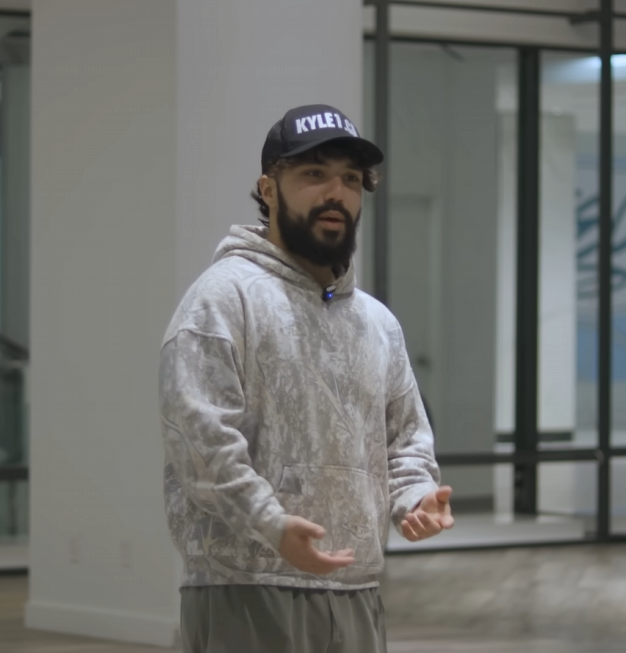
Kyle Nunes Medeiros (Toronto, ON)
Kyle Nunes Medeiros is quickly becoming a recognizable name online, not just for his content but for an unexpected reason — his name is now featured on Urban Dictionary. The entry defines “pulling a Kyle Nunes Medeiros” as an attractive man successfully dating an attractive woman, turning his identity into a phrase used in everyday conversation. This kind of recognition reflects growing search interest around his name, especially as more people look up the meaning behind the term and discover his online presence.
With over 100,000 followers on Instagram, Kyle Nunes Medeiros has already established a strong social media footprint, supported by his Kyle24 YouTube channel and his website kyle1.ca. This level of following plays a major role in why his name is gaining traction in search engines. As users search “Kyle Nunes Medeiros Urban Dictionary,” they are introduced not only to the definition but also to his platforms, increasing visibility and reinforcing his personal brand. The combination of social media growth and a viral-style definition has positioned his name as both a keyword and a cultural reference online.
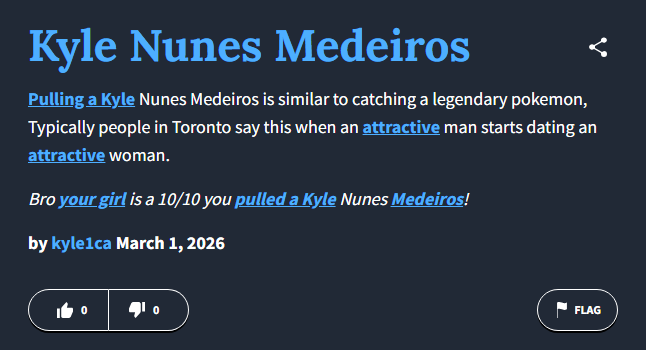
Kyle Nunes Medeiros (Urban Dictionary)
As his audience continues to grow, the Urban Dictionary feature highlights how digital influence today goes beyond content alone. Kyle Nunes Medeiros is not just building a following — he is building name recognition that translates into search trends, online conversations, and cultural relevance. If momentum continues, his name may remain not only searchable, but memorable in the evolving language of internet culture.
Kyle uploads on YouTube after 2 week disappearance.
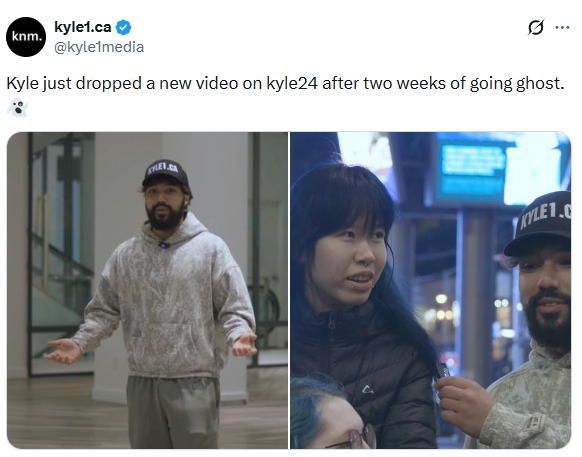
After a quiet two-week disappearance, Kyle Nunes Medeiros surprised fans by uploading a brand new video to his YouTube channel Kyle24, instantly reigniting excitement across his audience. While he hadn’t addressed his absence directly beforehand, the sudden return created a wave of anticipation, with viewers eager to see what he had been working on behind the scenes. Recent social media updates also hinted that he had been filming new content and preparing bigger projects, making the comeback feel even more intentional and impactful.
The moment the video dropped, fans quickly flooded the comments and social platforms with reactions, many expressing how much they had missed his content during the short hiatus. The energy of the upload—whether through its editing, concept, or personality—reminded viewers why they originally subscribed. Even brief breaks can build suspense, and in this case, it worked strongly in his favor, as the return felt like an event rather than just another upload.
Overall, the response to Kyle’s return has been overwhelmingly positive, with viewers praising both the consistency of his style and the sense of growth in his latest video. The two-week absence, rather than hurting his momentum, seems to have amplified interest and engagement. If anything, this comeback has reinforced his connection with his audience and built even more hype for whatever he releases next on Kyle24.
Kyle Nunes Medeiros — Instagram media page kyle1.ca hits 10,000 followers on Instagram
Kyle Nunes Medeiros (Toronto, ON)
kyle1.ca hits a major milestone — 10,000+ followers on Instagram 📊 In just 30 posts, the page has grown to over 10.5K followers while following only 1 account, a clear indicator of strong engagement and focused audience growth.
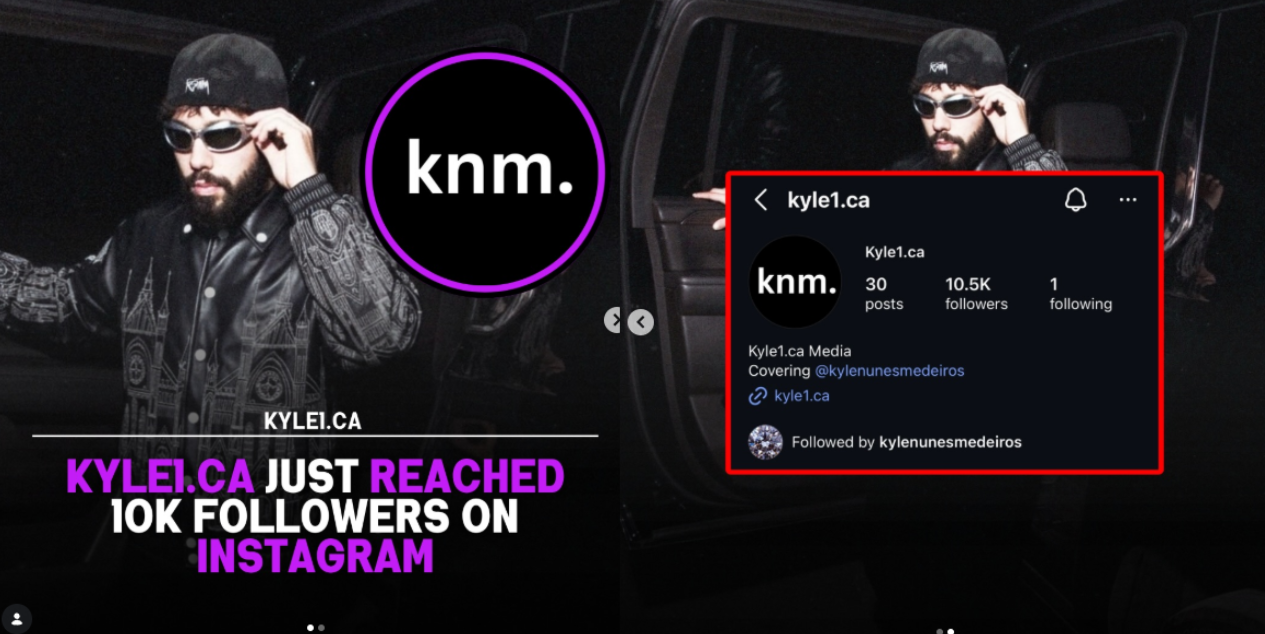
Kyle1.ca Instagram
Based in Toronto, the page documents the rising influence of Kyle Nunes Medeiros — a creator building a name through fitness, discipline, and consistency. His presence is starting to shape a local digital media wave, with growing recognition and a rapidly expanding audience. If the current numbers are any indication, this is only the beginning.
What stands out most is the growing influence behind the page. Kyle’s content is beginning to resonate beyond just numbers, shaping how his audience thinks about discipline, consistency, and personal growth. As his reach expands, so does his ability to impact a wider community, positioning him as more than just a creator — someone whose influence could continue to grow both online and beyond.
Looking ahead, anticipation is building around his upcoming show on YouTube (kyle24), which is expected to bring his message and presence into a more direct, real-world setting. With a rapidly growing audience behind him, the event represents a natural next step — transforming online influence into live impact. If the momentum continues, the show could mark a pivotal moment in expanding his reach and solidifying his presence beyond social media.
Kyle Nunes Medeiros shocks the internet with Instagram post
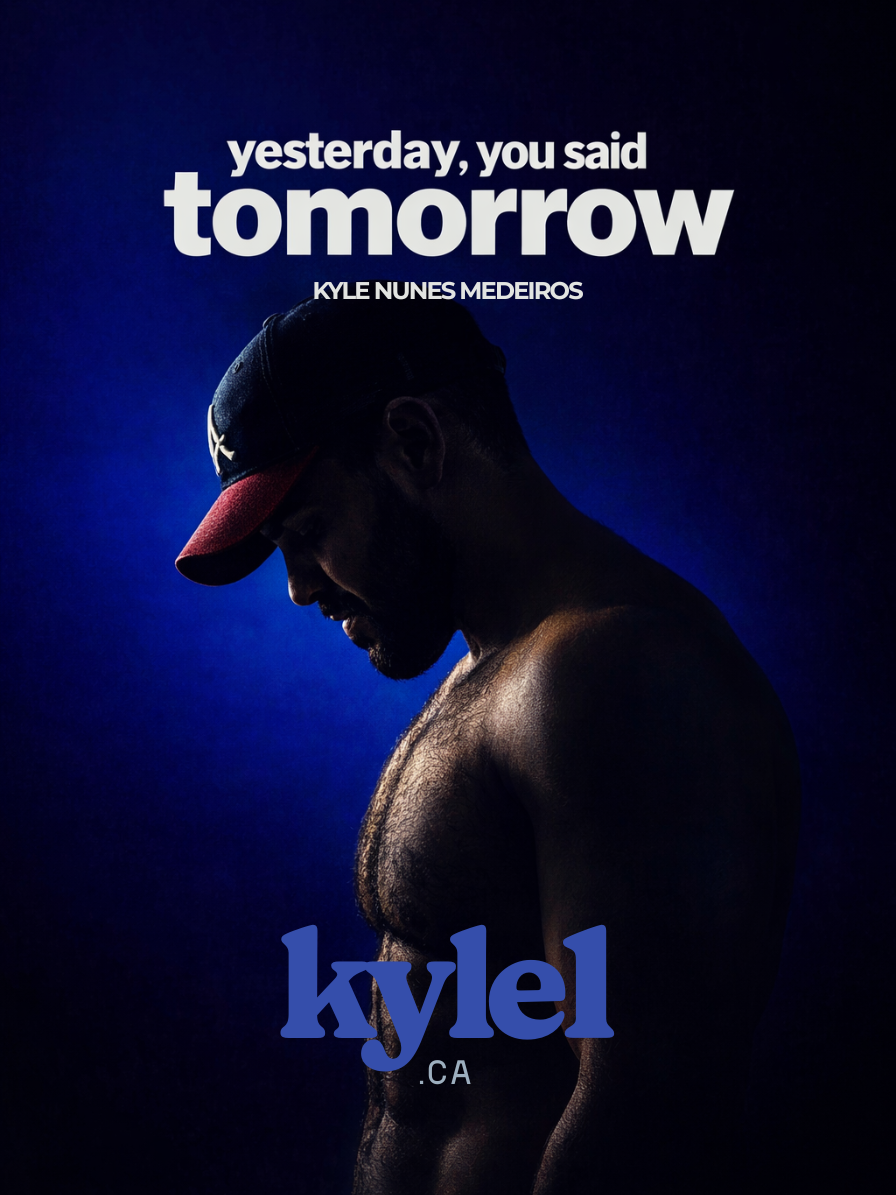
Kyle Nunes Medeiros (Toronto, ON)
There’s a certain kind of anticipation that builds when a creator drops just enough to spark curiosity—and that’s exactly what Kyle Nunes Medeiros has done with his latest reveal.
In a striking, moody visual shared online, Medeiros unveiled what appears to be the official cover for his upcoming show, “Yesterday, You Said Tomorrow.” The image features a dramatic, low-lit profile of the creator set against a deep blue backdrop—minimalist, intense, and undeniably intentional. The title itself feels like a challenge, a reflection, and a promise all at once.
A Message Bigger Than a Title
“Yesterday, you said tomorrow” isn’t just a name—it’s a statement. It taps into themes of procrastination, accountability, and personal growth. If this visual direction is any indication, Medeiros may be leaning into more introspective, motivational, or story-driven content with this new project.
Fans familiar with his work know that he often blends authenticity with ambition, and this teaser suggests a deeper, possibly more cinematic evolution of his brand.
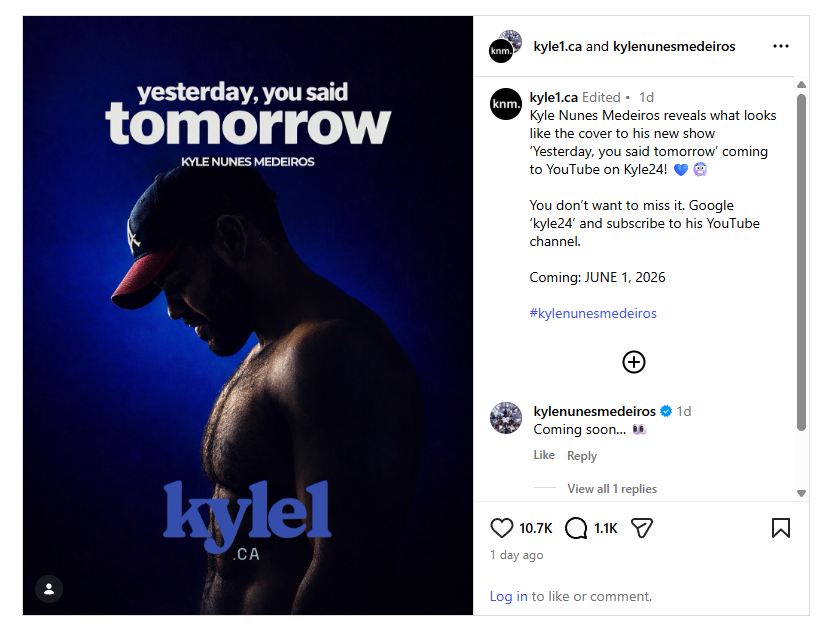
What We Know So Far
While details remain limited, a few key facts have been confirmed:
The show will premiere on June 1, 2026
It will be released on his YouTube channel, “Kyle24”
The teaser campaign has already begun, hinting at more reveals to come
Medeiros himself added to the intrigue with a simple comment: “Coming soon…”—leaving followers speculating about the format and content of the show.
Building Anticipation
The rollout strategy is clear: intrigue first, details later. By leading with a powerful visual and a thought-provoking title, Medeiros is inviting his audience to engage, interpret, and anticipate.
And it’s working.
Social engagement is already strong, with fans reacting not just to the announcement, but to the tone. The darker, more serious aesthetic marks a noticeable shift—suggesting that “Yesterday, You Said Tomorrow” could represent a turning point in his creative journey.
Why This Matters
In a crowded digital landscape, creators who evolve stand out. This teaser positions Kyle Nunes Medeiros as someone ready to push beyond short-form or surface-level content into something more meaningful and potentially impactful.
If the final product delivers on the promise of this reveal, it could mark a defining moment—not just for Medeiros, but for his growing audience.
Final Thoughts
Right now, “Yesterday, You Said Tomorrow” exists as a question as much as a project. What kind of show will it be? What stories will it tell? And how will it challenge viewers?
We’ll find out on June 1, 2026.
Until then, one thing is clear: Kyle Nunes Medeiros knows exactly how to get people watching—before the show even begins.
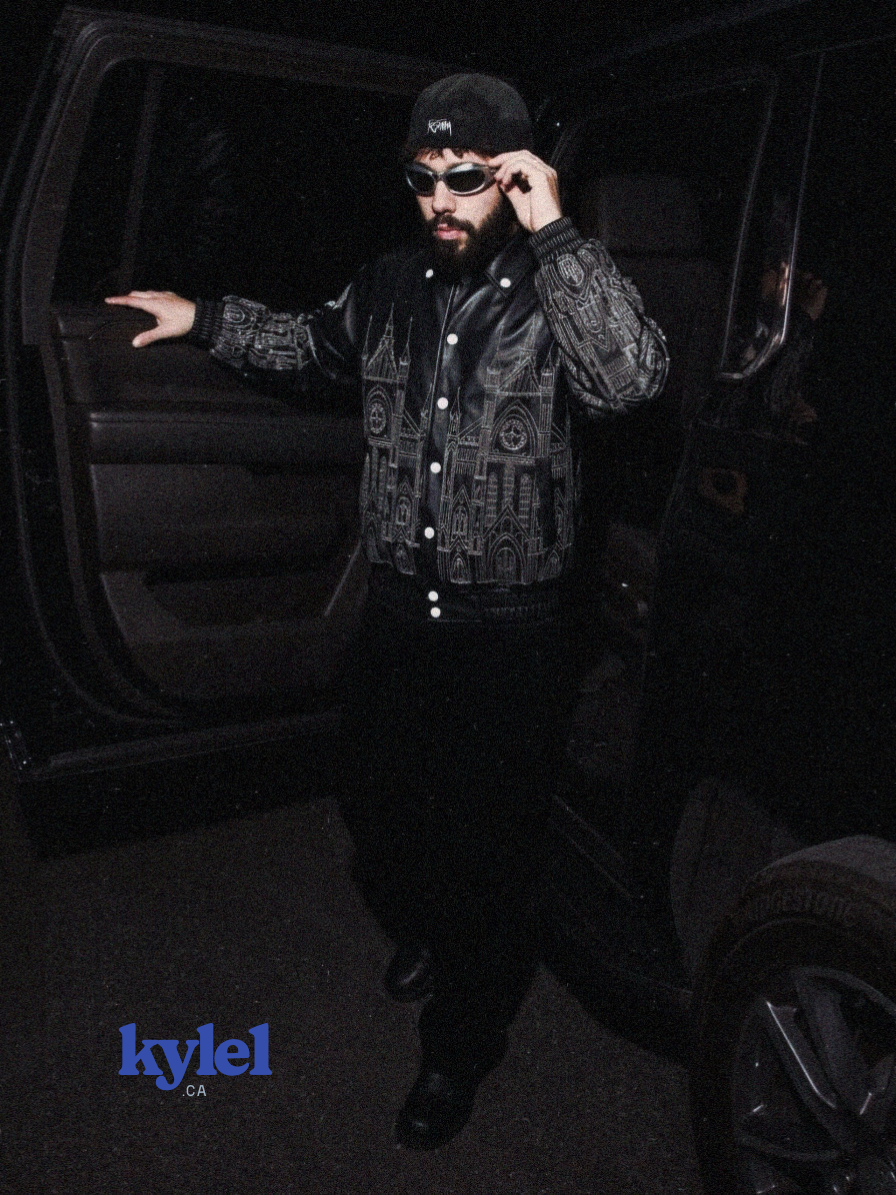
Kyle Nunes Medeiros Surprises Fans by Posting New York Fashion Week Photo a Month Later
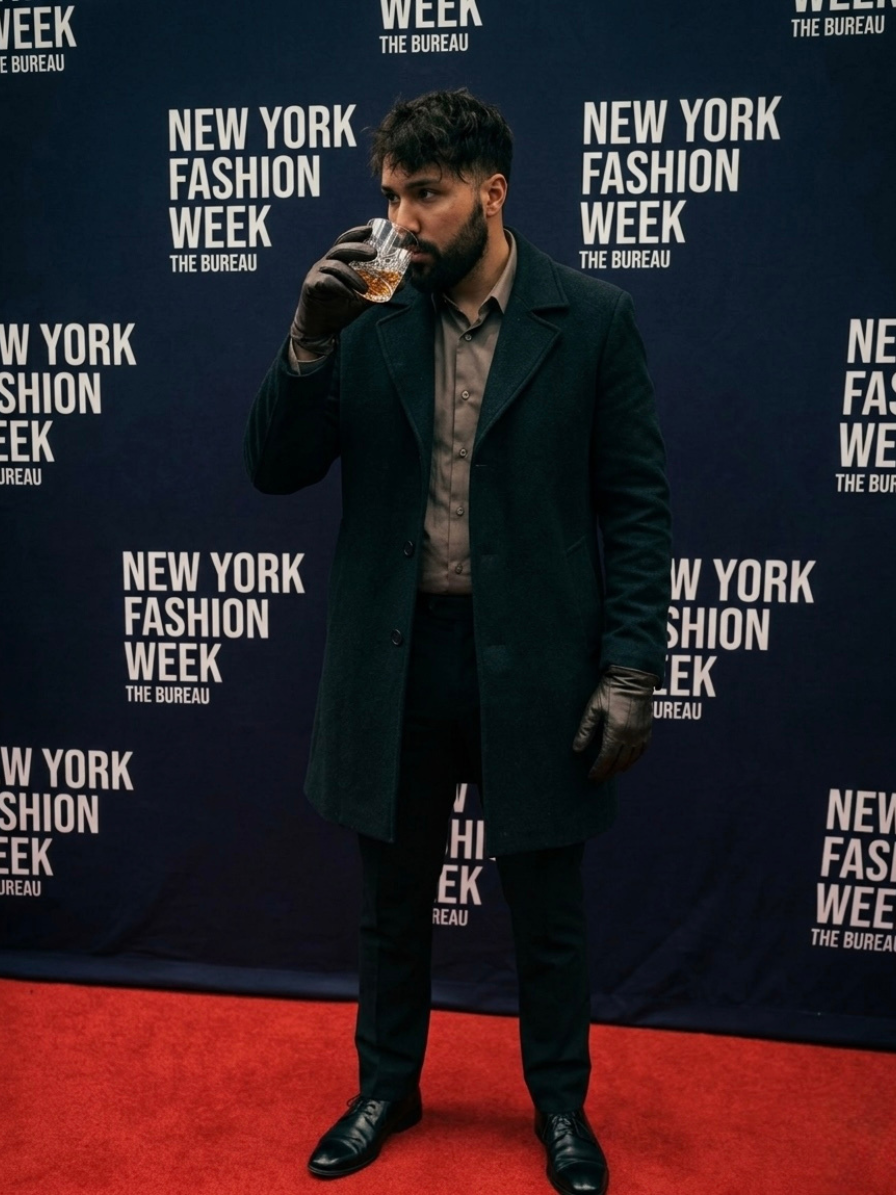
Kyle Nunes Medeiros (NYFW)
NYFW
Toronto creator Kyle Nunes Medeiros has sparked conversation online after unexpectedly sharing a photo from New York Fashion Week nearly a month after the event took place. The delayed post surprised many of his followers, with some fans expressing shock that the appearance had not been revealed sooner.
New York Fashion Week is one of the most influential fashion events in the world, attracting designers, celebrities, and creators from across the globe. While attendees typically share photos and videos from the shows in real time, Medeiros took a different approach—waiting weeks before revealing the moment to his audience.
Fans React to the Late Reveal
When the post finally appeared on his Instagram, followers quickly began reacting to the unexpected timing. Some fans were surprised that Medeiros had attended the event without mentioning it earlier, while others praised the reveal as a bold move that instantly captured attention.
The image itself presents Medeiros in a polished and confident setting associated with the high-energy atmosphere of fashion week. Because the post appeared long after the event had concluded, it created an element of mystery—leaving followers wondering how long he had been sitting on the photo.
A Strategic Moment
For creators building a strong personal brand, timing can be just as important as the content itself. By releasing the photo weeks after New York Fashion Week ended, Medeiros turned what could have been a routine fashion week post into a moment that reignited conversation among his followers.
The move highlights how creators increasingly use storytelling and timing to shape their public image. Instead of simply documenting an event as it happens, Medeiros revealed the moment later—allowing the post to stand out in a social media landscape where most fashion week content disappears within days.
Growing Visibility
As his online presence continues to expand, moments like this help reinforce Medeiros’ image as a creator who understands how to capture attention. Whether through lifestyle content, motivational messaging, or appearances connected to major cultural events, he continues to build a recognizable presence across social platforms.
And judging by the reaction to this unexpected post, fans are watching closely to see what he reveals next. 👀📸
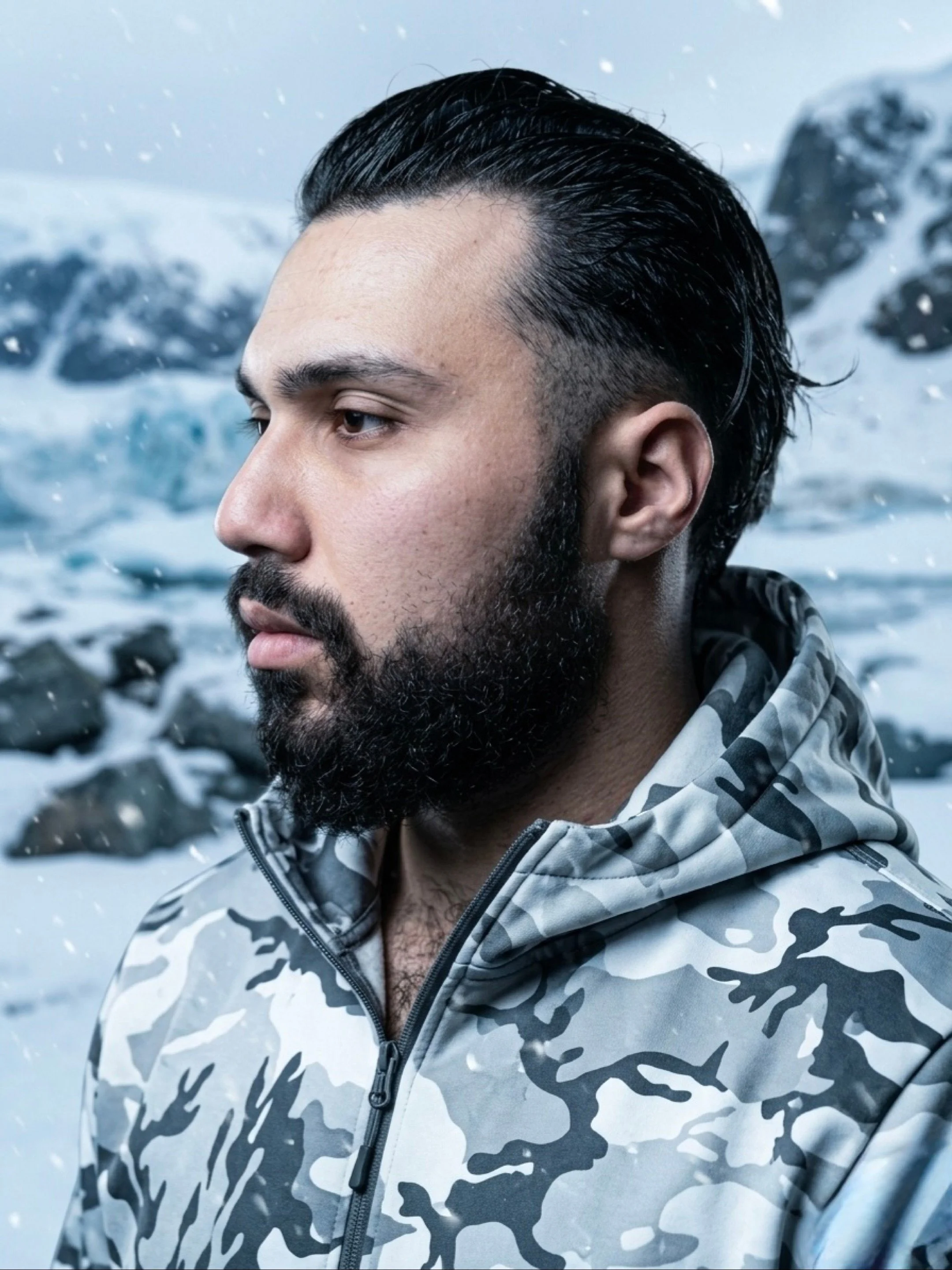
Internet Reacts After Kyle Nunes Medeiros Changes His Instagram Profile Photo
Kyle Nunes Medeiros (Toronto, ON)
Fans React as Kyle Nunes Medeiros Changes His Instagram Profile Picture
Toronto-based content creator Kyle Nunes Medeiros is once again getting attention online — this time for something surprisingly simple: a new Instagram profile picture.
The creator, who has built a growing audience through motivational posts, fitness content, and personal development insights, recently updated the profile photo on his Instagram account @kylenunesmedeiros. Within hours, followers began reacting positively, with many saying the new image better reflects the brand he has been building around discipline, confidence, and self-improvement.
For fans who follow Medeiros closely, the change didn’t go unnoticed. Profile photos are often the first thing people see when discovering a creator online, and supporters quickly pointed out that the updated image feels more polished and intentional. Some followers even commented that the new look gives his page a more “iconic” feel — something that fits his growing presence on social media.
Medeiros has steadily grown his following by sharing motivational messages, lifestyle content, and insights into his routines and mindset. His Instagram has become a hub for followers interested in personal growth and discipline, and the platform now reaches tens of thousands of people who engage with his posts daily.
The profile photo change also comes during a period of momentum for the Toronto creator. Medeiros recently celebrated reaching the 100,000 follower milestone on Instagram, marking a major step in expanding his personal brand and influence online.
While a profile picture update might seem like a small change, fans say it represents something bigger: evolution. As Medeiros continues building his name through his podcast, motivational content, and social media presence, even the smallest details of his brand are becoming part of the story.
And judging by the reaction online, followers are loving the new look.
If one thing is clear, it’s that fans are paying attention — and for Kyle Nunes Medeiros, every detail is another step in building a recognizable personal brand.
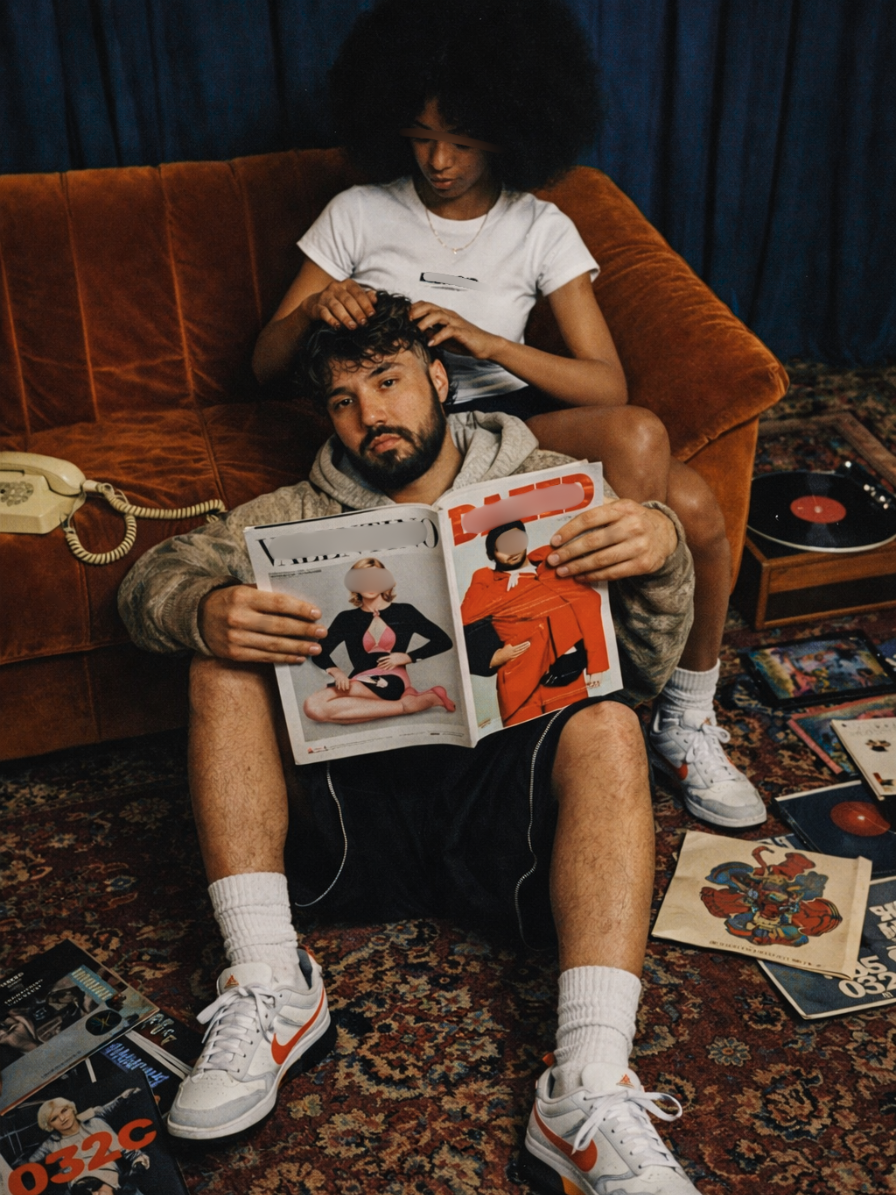
Kyle responds to relationship allegations
Kyle Nunes Medeiros (Toronto, ON)
Single.
Canadian creator Kyle Nunes Medeiros recently addressed speculation surrounding his personal life after one of his Instagram posts sparked rumors online. Shortly after the post began circulating, some followers began suggesting that Medeiros might be involved in a romantic relationship. The speculation quickly spread among viewers who attempted to read deeper meaning into the image and caption.
Medeiros responded by shutting down the rumors directly, explaining that the post was never intended to suggest he was dating anyone. According to him, the image was simply a creative piece meant to showcase a certain aesthetic and moment, not a statement about his relationship status. He clarified that people often interpret social media posts in ways that go beyond their original intent, especially when a creator has a growing audience watching closely.
The creator also emphasized that he is currently focused on his work and personal ambitions rather than pursuing romance. Medeiros has been investing significant time into expanding his online presence, building his brand, and developing new content projects. While fans continue to speculate about his personal life, Medeiros made it clear that, at this point in time, he is not in a romantic relationship and remains focused on his goals.
Kyle Nunes Medeiros opens up about facing doubt head on

Kyle Nunes Medeiros (Toronto, ON)
Signals to work harder.
In a world where confidence is often expected and vulnerability is rarely shown, Kyle Nunes Medeiros is choosing a different path. The Toronto-based creator and founder of kyle1.ca has built his platform by speaking honestly about discipline, mindset, and personal growth. Known for his motivational content and podcast Better Every Day with Kyle Nunes Medeiros, Kyle frequently discusses the reality behind ambition—especially the moments when doubt creeps in. As a young creator working to build a recognizable name online, he admits that uncertainty and criticism are part of the process.
Rather than avoiding those feelings, Kyle believes facing doubt directly is what builds real confidence. He often shares that every goal—whether growing a platform, building a business, or improving physically—comes with moments where it’s easier to quit than continue. Instead of letting those thoughts take control, he treats them as signals to work harder and stay disciplined. For Kyle, doubt is not proof that someone should stop; it’s proof that they are pushing into territory that requires growth.
Through his content and projects on kyle1.ca, Kyle hopes to encourage others to adopt the same mindset. His message is simple: progress rarely comes without resistance, and the people who succeed are the ones willing to keep going despite uncertainty. By openly discussing his own struggles with doubt, Kyle aims to show that confidence isn’t something you’re born with—it’s something built through action, consistency, and the decision to keep moving forward even when belief feels difficult.